

The Bushcraft Knife: Your Most Important Tool in the Woods
If you spend any amount of time in the woods, one thing becomes clear very quickly:
Your knife is not just a tool — it’s an extension of your ability to think, create, and survive.
At Project Rewilding, we require each student to have a proper bushcraft knife for our classes because nearly every skill we teach — from firecraft to shelter building — depends on it.
Our Top Picks
Mora Craftline
Ahti Tikka
Wood Jewel
BeaverCraft Kids Boy Scout Knife
(our top pick for brand new and younger kids)
What Makes a Proper Bushcraft Knife?
Not all knives are created equal. A true bushcraft knife is designed for control, reliability, and versatility — not just cutting.
Fixed Blade (Non-Negotiable)
A bushcraft knife should always be a fixed blade, not a folding knife.
Why:
Stronger and more reliable (no moving parts)
Safer under pressure
Capable of heavier tasks like batoning wood
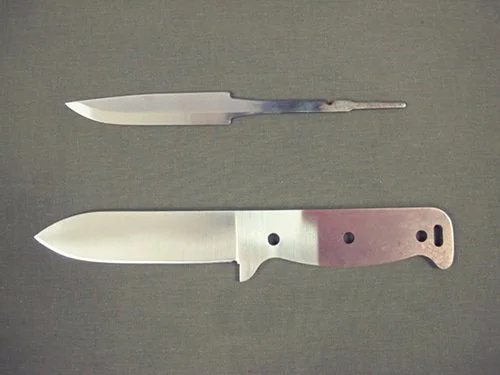
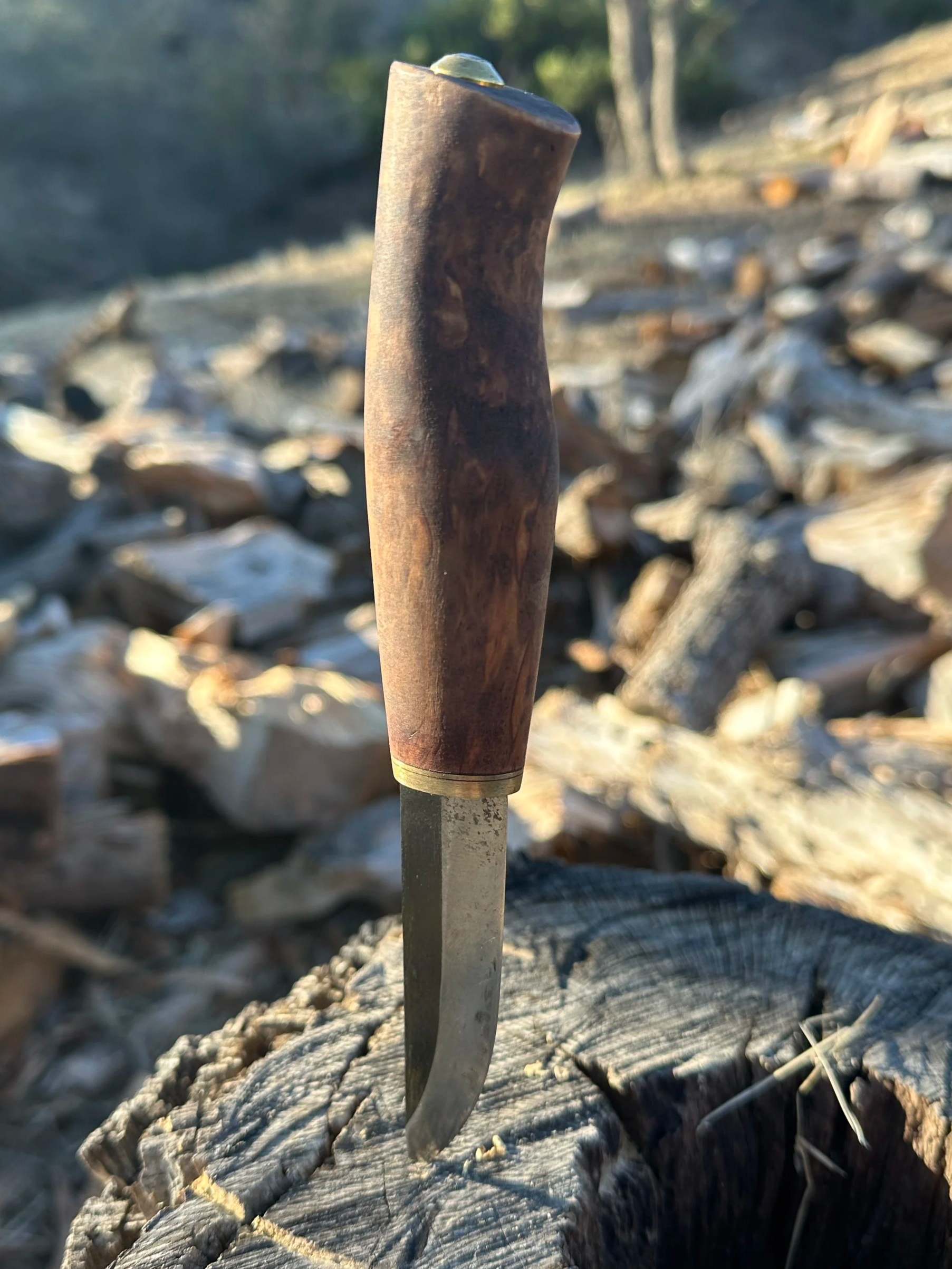
Full Tang Construction
The steel should run the full length of the handle.
Why:
Maximum strength and durability
Won’t snap under stress
Critical for survival tasks like splitting wood
90-Degree Spine
A sharp, squared spine is essential.
Why:
Throws sparks from a ferro rod for fire starting
Scrapes tinder efficiently
Adds functionality beyond cutting
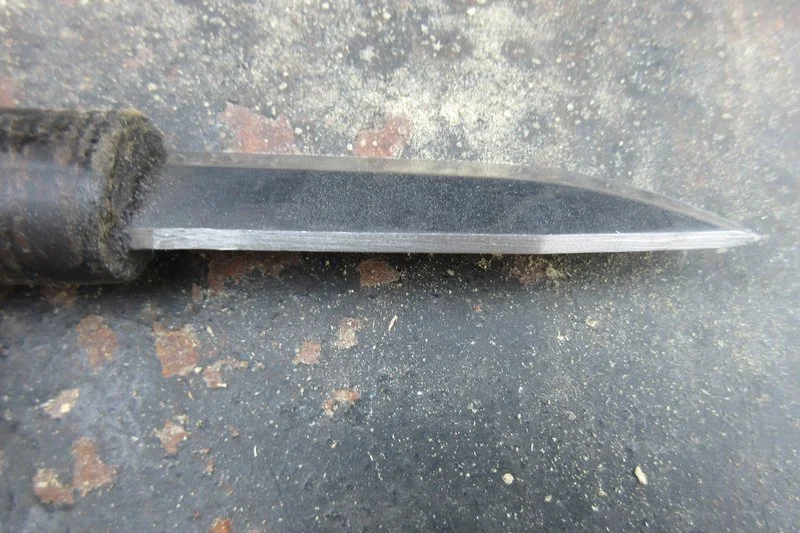
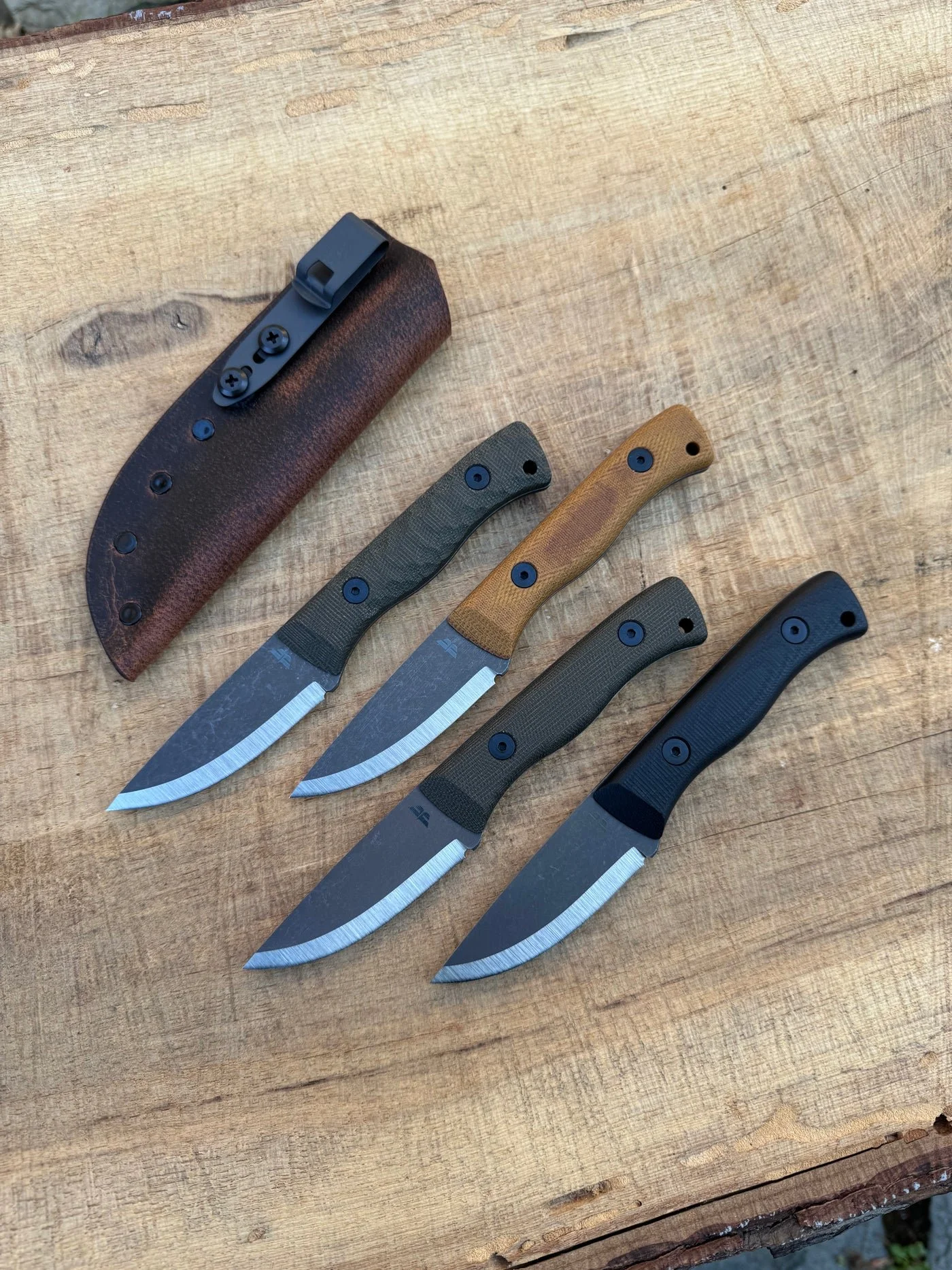
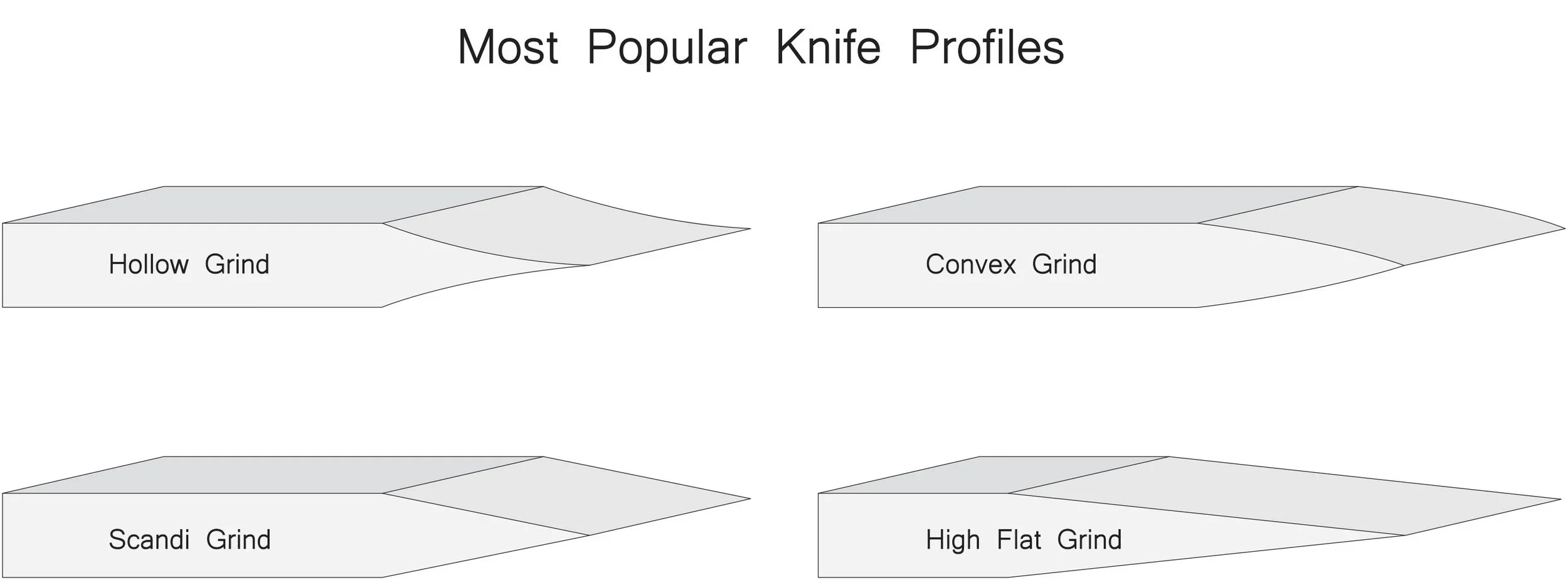
Scandi Grind (Preferred)
The grind (edge geometry) matters more than most people realize.
Why Scandi:
Excellent for carving and woodworking
Easy to sharpen in the field
Bites into wood with control
Blade Length (4”–5” Sweet Spot)
We recommend a blade around 4 to 5 inches.
Why:
Small enough for fine carving and control
Large enough for processing firewood
Ideal balance of precision and power
Sharpness (The Most Important Feature)
A bushcraft knife should be razor sharp — always.
This is one of the biggest misconceptions we see. People often think a dull knife is safer. In reality, the opposite is true.
A sharp knife is a safe knife.
Why Sharpness Matters:
Control and Precision
A sharp blade bites into the material exactly where you intend. This gives you control for detailed tasks like carving, feather sticks, and notching.Less Force Required
A dull knife forces you to push harder. More force means less control and a much higher chance of slipping and causing injury.Cleaner, Safer Cuts
Sharp knives cut cleanly instead of tearing or binding in the wood. This reduces unpredictable movement.Efficiency in the Field
Whether you’re processing tinder or shaping tools, a sharp knife makes every task faster and more effective.
Why We Require a Knife in Our Classes
At Project Rewilding, we don’t teach theory — we teach doing.
A proper knife allows students to:
Process firewood and make feather sticks
Create tinder and fire kits
Carve tools, traps, and utensils
Practice safe and efficient cutting techniques
Develop real confidence in the outdoors
Without a knife, students are limited. With one, they gain capability and independence.
Why You Should Always Carry One in the Bush
There’s a principle we emphasize constantly:
“The more you know, the less you need.” — Mors Kochanski
But no matter how skilled you are, a knife multiplies your ability.
A single knife can help you:
Build a fire in harsh conditions
Construct shelter materials
Repair gear in the field
Prepare food
Solve unexpected problems
It is the most versatile tool you can carry.