

FALL/WINTER 2026 WORKSHOPS
DIRT MEDICINE: Wilderness First Aid & Improvised Medicine
(Youth)
10/28/26 10am-2pm
CLASS FULL - WAITLIST ONLY
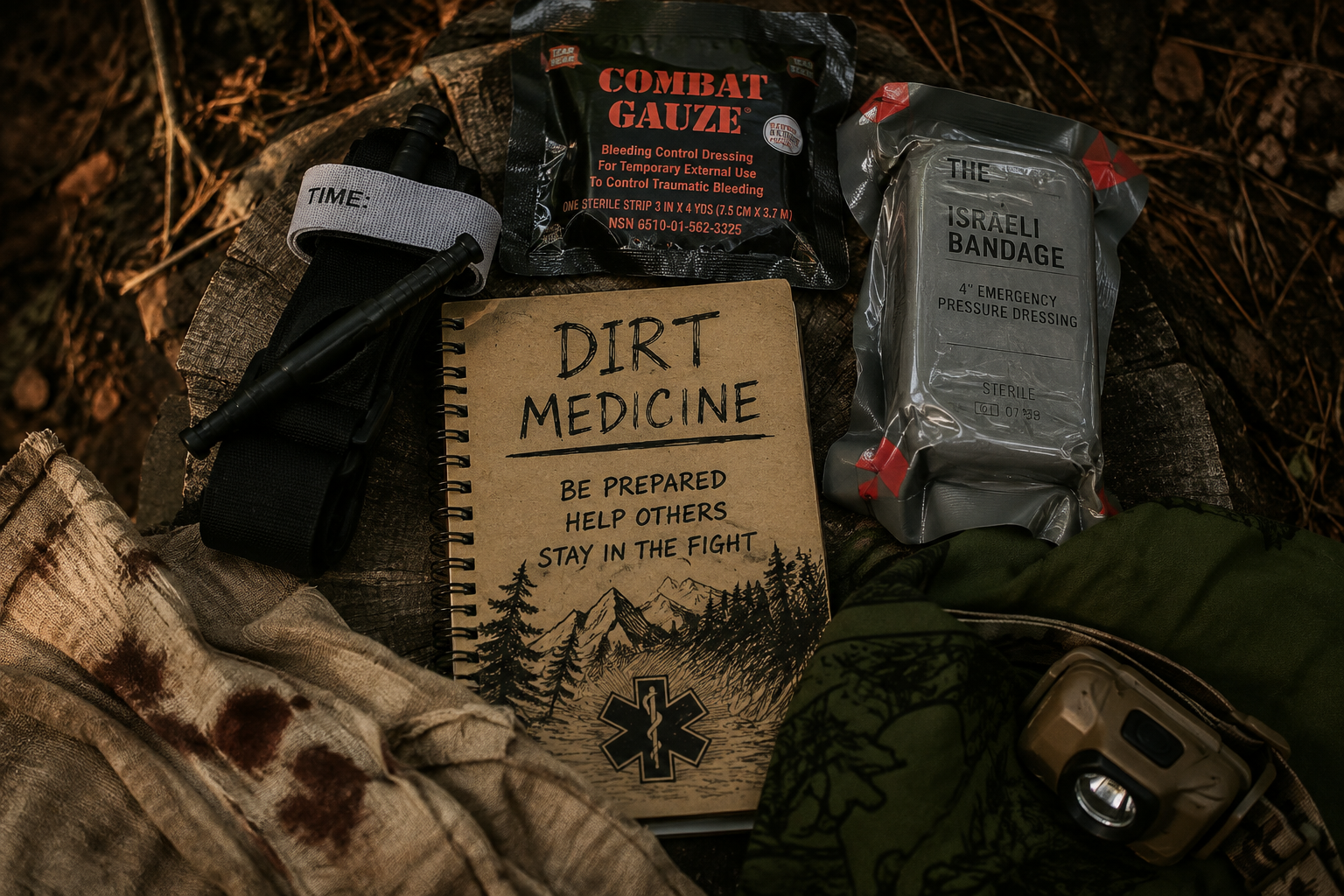
When something goes wrong in the backcountry, help may be hours away. Dirt Medicine is a hands-on introduction to treating injuries and medical problems when you have limited equipment, limited resources, and no ambulance around the corner.
Students will learn how to assess an injured person, make good decisions under pressure, and manage common wilderness injuries and conditions. A major emphasis will be placed on serious bleeding and hemorrhage control, including recognizing life-threatening bleeding and properly using modern bleeding-control equipment.
We'll also explore the other side of wilderness medicine: improvisation. What happens when you don't have the perfect piece of medical equipment? Students will practice adapting what they have around them to solve problems in the field.
Students will learn:
Patient assessment and determining what needs attention first
Recognizing and controlling life-threatening bleeding
Proper tourniquet application
Wound packing and use of hemostatic gauze
Applying an Israeli pressure dressing
Basic wound care
Sprains, strains, fractures, and basic stabilization
Burns and other common outdoor injuries
Environmental emergencies and wilderness-specific concerns
Improvised bandages, splints, slings, and other field-expedient first aid
When an injury can be managed in the field and when it's time to get help
Each student will leave with a compact MOLLE first aid/trauma kit equipped with the core supplies we’ll actually learn to use during the workshop, including:
CAT or SWAT-T style tourniquet
“Quick Clot” Combat gauze
Israeli emergency pressure dressing
Assorted gauze and bandaging supplies
Additional basic first aid suppliesThis isn't about memorizing a first-aid manual. It's about developing the knowledge, confidence, and resourcefulness to do something useful when somebody gets hurt and you're a long way from help.
Age: 10-Middle School
Fee: $160 (ESA Eligible)
Location: Project Rewildling HQ
Class Size: Limited to 10 students
Bring: A Proper Bushcraft Knife, Drinking water, a hat, sun screen, and lunch/snacks.

CAST IRON SOAP: Traditional Soap Making from Scratch
11/10/26
9:00 AM-12:00 PM
Long before brightly colored bottles lined store shelves, families made their own soap using a handful of simple ingredients, a little chemistry, and knowledge passed from one generation to the next.
In Cast Iron Soap, students will get hands-on with the traditional process of making real soap from scratch. We'll explore how basic ingredients are transformed through saponification, learn the role that fats and lye play in soap making, and discuss how people historically produced one of the most important everyday necessities themselves.
Students won't just watch. They'll help make a batch of soap from start to finish, learning the process, the science behind it, and the safety required when working with traditional soap-making ingredients.
Students will learn:
A brief history of traditional soap making
The basic chemistry of saponification
The role of fats, oils, water, and lye
Safe handling practices when making soap
Measuring and combining ingredients
Heating and mixing using cast iron
How soap changes as it cooks and cures
How simple household necessities can be made from basic raw materials
Every student will get a bar of their own handmade soap that they helped create (it takes a couple days of curing so you’ll have to pick it up a few days after class is over).
It's part chemistry lesson, part traditional craft, and part self-reliance. A chance to rediscover how something we use every single day can be made with our own hands.
Safety Disclaimer:
Traditional soap making involves sodium hydroxide (lye), hot liquids, and heated equipment, which can cause injury if handled improperly. Students will receive safety instruction, use appropriate protective equipment, and be closely supervised. Certain steps involving concentrated lye may be performed by the instructor only.
Age: 10 – High School
Fee: $70 (ESA Eligible)
Location: Project Rewilding HQ
Class Size: Limited to 10 students
Bring: Drinking water and snacks
HAFTING STEEL KNIVES & LEATHER SHEATH MAKING
11/19/26
9:00 AM-2:00 PM
CLASS FULL - WAITLIST ONLY

Take steel, antler, and leather and turn them into a working tool built with your own hands.
In this hands-on workshop, students will start with a bare steel knife blade and learn how to haft it into a natural antler handle. We'll explore why antler has been valued as a tool-making material for thousands of years and how natural materials from the land can still be used to create beautiful, functional everyday gear.
Students will fit, shape, and finish their antler handle before moving into leatherwork, where they'll create a custom hand-sewn leather sheath specifically fitted to their new knife.
Students will learn:
How antler has historically been used in tool making
Selecting and preparing antler for a knife handle
Fitting and hafting a steel blade into antler
Shaping and finishing natural handle material
Safe knife and tool handling
How to design and pattern a fitted leather sheath
Cutting, punching, and hand-stitching leather
Finishing and caring for their completed knife and sheath
Along the way, we'll explore an important part of traditional craftsmanship: learning to recognize useful materials on the landscape and turn them into things you actually need.
Every student will leave with a functional steel knife with a natural antler handle and a handmade leather sheath built specifically for it.
Steel. Antler. Leather. One seriously cool knife, made by you.
Age: 10 – High School
Fee: $140 (ESA Eligible)
Location: Project Rewilding HQ
Class Size: Limited to 10 students
Bring: A Proper Bushcraft Knife, drinking water, and snacks.
THE SPEAR CHUCKING ATLATL: Learn to hunt like a caveman
12/11/26
9:00 AM-4:00 PM
Sign Up Deadline: 11/30/26
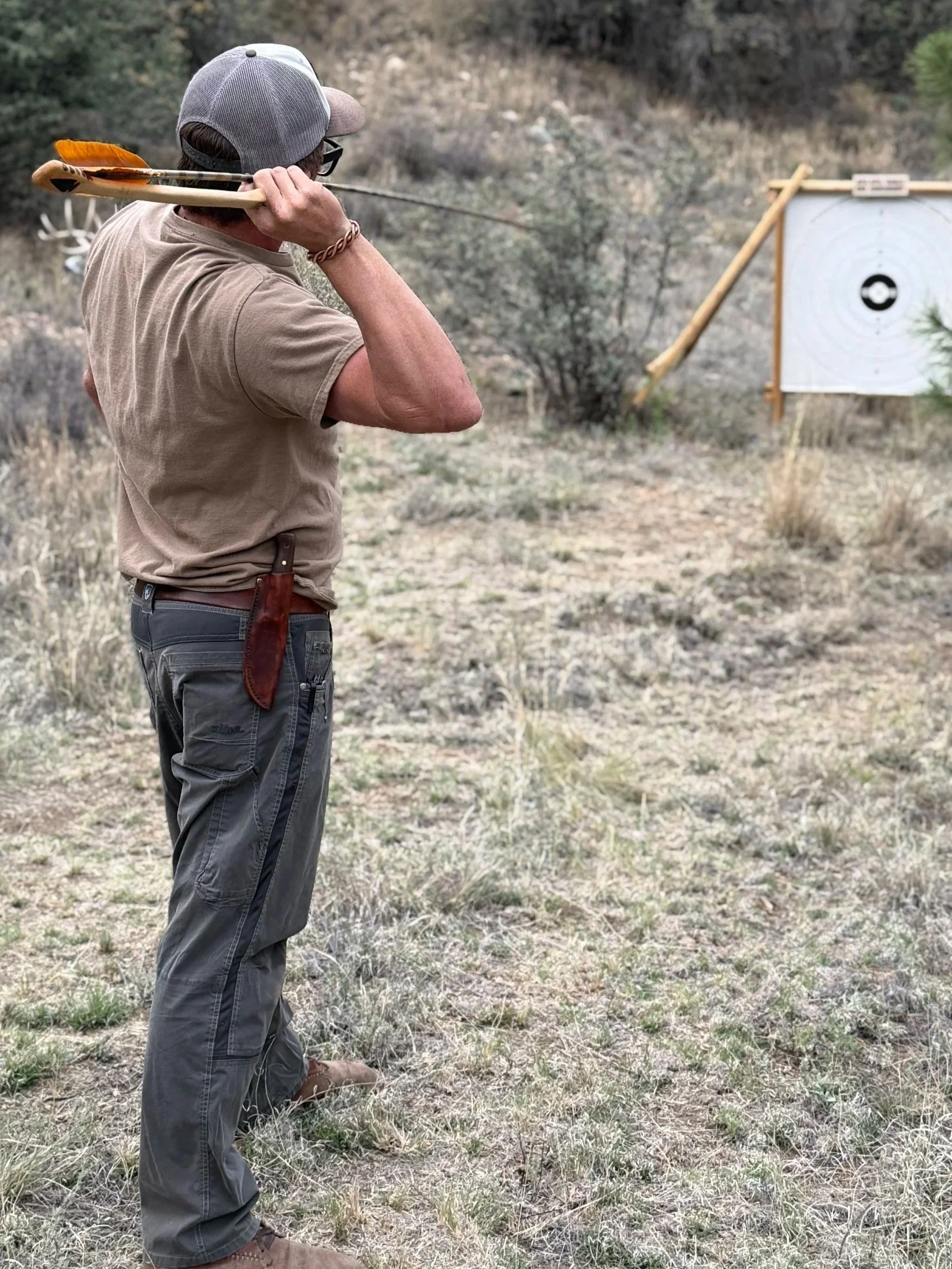
Long before the bow and arrow, humans hunted with one of the oldest and most effective projectile weapons ever developed: the atlatl and dart.
In this hands-on Project Rewilding workshop, students will explore the history, construction, and use of this ancient hunting technology. We'll learn how an atlatl works, why it dramatically increases the power and speed of a thrown dart, and how people around the world used these weapons for thousands of years.
Students will build their own functional atlatl, learn the fundamentals of throwing, and then head to the range to put their new skills to work.
Students will learn:
The history and evolution of the atlatl
How an atlatl increases leverage and projectile speed
Atlatl construction and design
Dart design, balance, and flight
Proper grip, stance, and throwing mechanics
Accuracy and distance control
Safe range practices
How atlatls were traditionally used for hunting
We'll finish with plenty of range time and individual coaching, giving students a chance to develop consistency and experience firsthand just how capable this ancient technology can be.
Every student will leave with their own functional atlatl and the skills to use it.
Part woodworking, part history, part primitive weapons training, and a whole lot of throwing.
Age: 12 – Adult
Fee: $150 (ESA Eligible)
Location: Project Rewilding HQ
Class Size: Limited to 10 students
Bring: A Proper Bushcraft Knife, drinking water, and snacks.
OPEN ATLATL RANGE: Javelina Season Tune-Up & Coaching
12/19/26
Coaching: 9:00 AM-12:00 PM
Open Range: 12:00 PM - 2:00PM
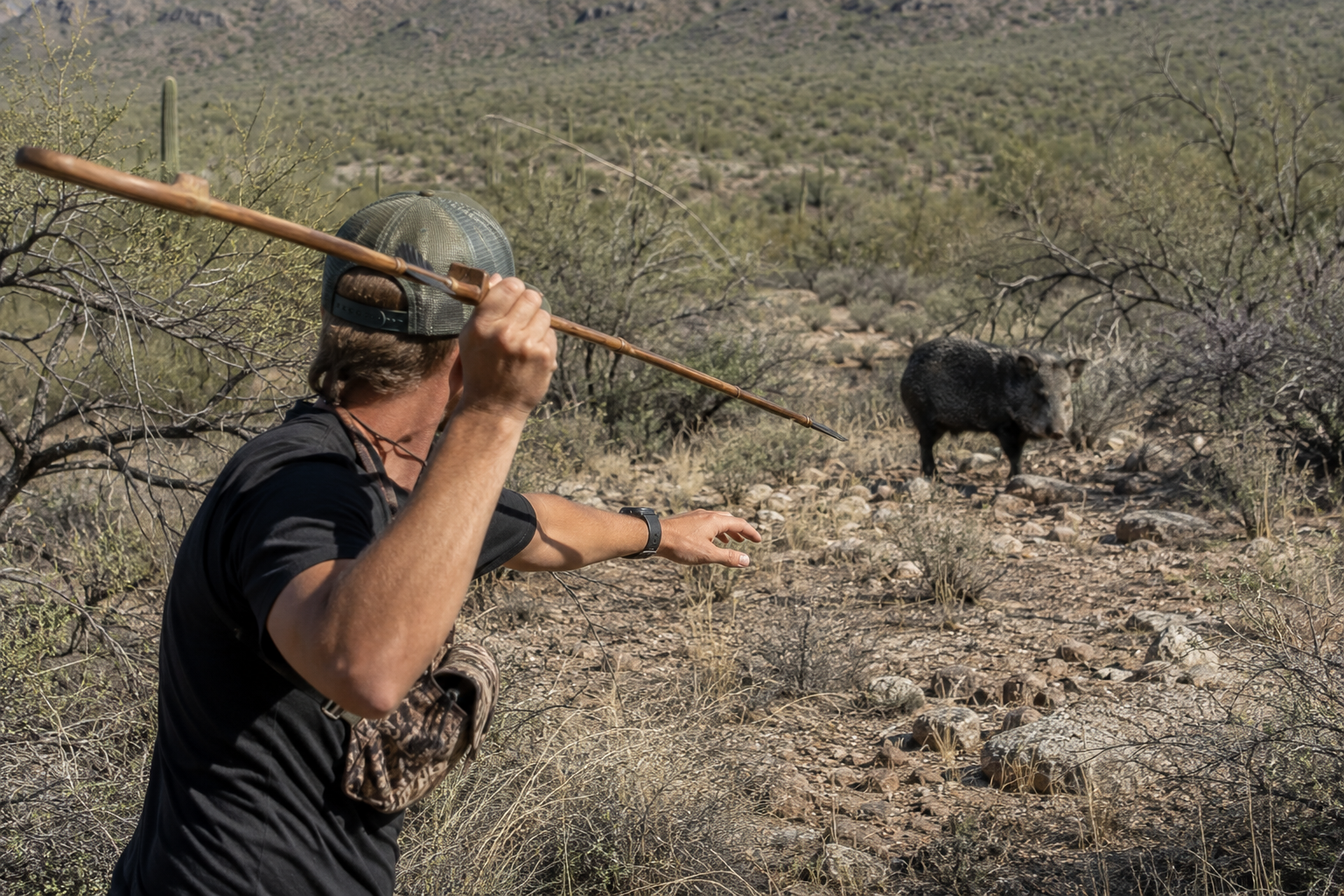
Javelina season is right around the corner, and this open-range day is all about getting reps in with the atlatl before the hunt.
Rather than a structured beginner workshop, this will be a relaxed, practice-focused range day for students who want to throw, troubleshoot, and sharpen their skills. We'll focus on improving consistency, accuracy, distance judgment, and making effective throws from realistic hunting distances and positions.
With javelina season approaching, we'll spend extra time discussing ethical shot placement, effective range, hunting considerations, and preparing both yourself and your equipment for the field.
We'll work on:
Atlatl throwing mechanics and consistency
Accuracy at different distances
Determining your personal effective hunting range
Javelina anatomy and ethical shot placement
Range estimation
Throwing from realistic field positions
Equipment inspection and tuning
Individual coaching and troubleshooting
Lots of open-range throwing
Bring your own atlatl and darts if you have them. Project Rewilding equipment will also be available.
Whether you're planning to hunt javelina with an atlatl this season or simply want more time throwing, this is an opportunity to get coached, get repetitions, and get dialed in before the season starts.
Our Atlatl crafting tools will be available if anyone needs to do some minor repairs or work to their atlatl. (remember though that this is not a “how to build an atlatl” class.
We will also have atlatl darts available for sale:
Hunting Style: $85 and includes a mainshaft and two foreshafts.
Target Style: $50
Age: 10 – Adult
Fee: $15 (ESA Eligible)
Location: Project Rewilding HQ
Class Size: No Limit: COME ONE, COME ALL!
Bring: A Proper Bushcraft Knife, drinking water, and snacks.
GOURD BOWLS
01/22/27
9:00 AM-12:00 PM
CLASS FULL - WAITLIST ONLY
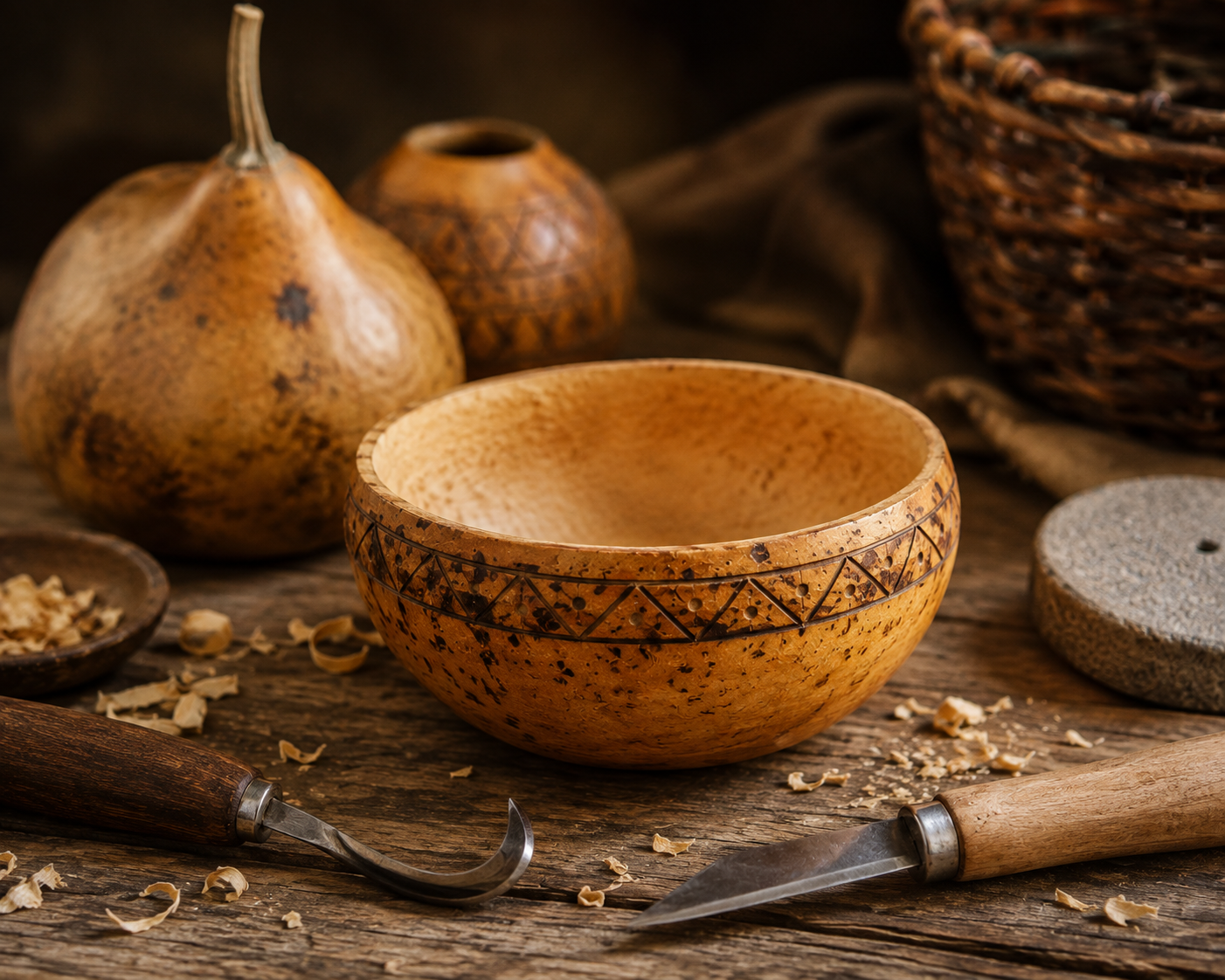
For thousands of years, people around the world have transformed gourds into bowls, cups, containers, and everyday tools. In this hands-on workshop, students will continue that tradition by turning a whole dried gourd into a functional bowl of their own.
Students will learn how to open, clean, scrape, shape, sand, and finish a dried gourd using simple hand tools and traditional techniques. We’ll also explore the history of gourds as one of humanity’s earliest natural containers and how different cultures turned something grown from the earth into a useful and beautiful object.
Students will learn:
How gourds are grown, dried, and prepared for use
Selecting and opening a gourd
Removing seeds and cleaning the interior
Scraping, shaping, and smoothing
Sanding and finishing techniques
Simple decorative techniques
Traditional uses of gourds around the world
Every student will leave with a finished gourd bowl they made themselves.
This is primitive technology at its simplest: take something grown from the earth and turn it into something useful with your own hands.
Age: 10 – High School
Fee: $65 (ESA Eligible)
Location: Project Rewilding HQ
Class Size: Limited to 10 students
Bring: A Proper Bushcraft Knife, drinking water, and snacks.
LOST: Wilderness Survival, EDC & The Survival Kit
February 3, 10 & 17, 2027
9AM-4PM
CLASS FULL - WAITLIST ONLY
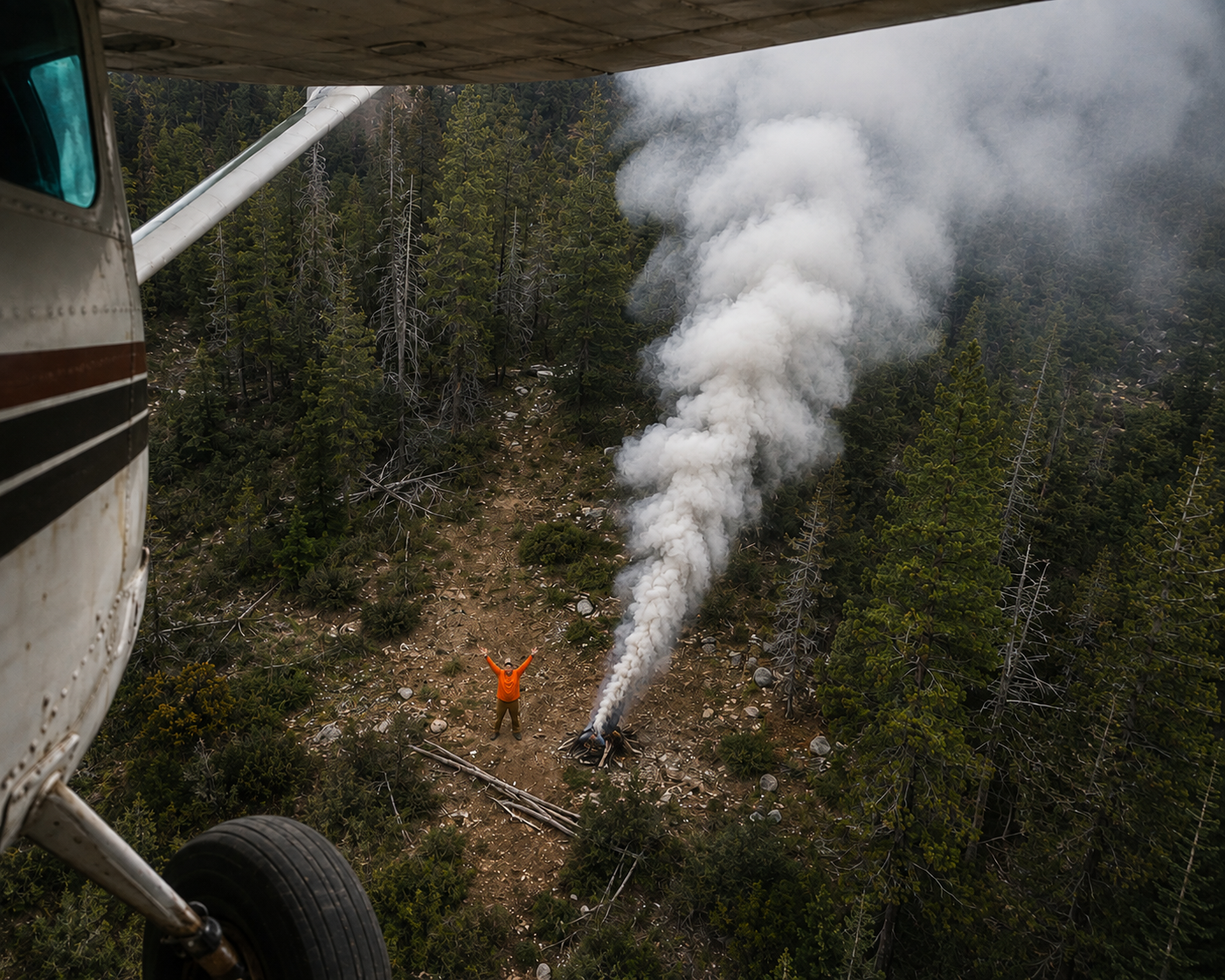
Getting lost doesn't usually start as a survival situation.
It starts with a wrong turn. A separated group. An unexpected injury. A trail that disappears. Weather moving in. Darkness arriving sooner than expected. Suddenly, what was supposed to be a few hours outdoors becomes something very different.
LOST is a three-part, hands-on wilderness survival course built around a simple question:
If you had to spend an unexpected night in the woods, would you know what to do?
Students will explore Everyday Carry (EDC), wilderness survival kits, survival priorities, and the decision-making skills that matter when things don't go according to plan.
…and we're not just going to talk about survival kits.
Every student will build one.
Throughout the course, students will assemble their own practical wilderness survival kit, learn why each piece of equipment deserves a place in it, and most importantly, practice actually using it.
The kit will include equipment for:
Fire – multiple ignition methods, ferro rod, tinder and fire-making supplies
Water – single-wall stainless steel water bottle and water purification supplies
Shelter – emergency blanket and improvised shelter materials
Signaling – whistle, signal mirror and other signaling tools
Navigation – basic compass and navigation resources
Cordage – paracord for shelters, repairs and improvisation
Light – compact emergency lighting
Shemagh – one incredibly versatile piece of equipment with dozens of potential uses
Basic First Aid – supplies for managing common minor injuries
Field Repair & Improvisation – simple materials that can solve surprisingly complicated problems
Plus additional carefully selected survival equipment
Every student keeps the complete kit they build.
But owning survival gear and knowing how to survive are two very different things.
That's where the real class begins.
WEEK 1 • WHAT DO YOU CARRY?
EDC & Building a Survival Kit
What should actually be in a wilderness survival kit?
We'll explore Everyday Carry (EDC), the 10 Essentials, redundancy, weight, quality versus gimmicks, and how your environment and activity should determine what you carry.
Students will begin assembling their own kits while learning the purpose of each item.
We'll constantly ask:
What problem does this solve?
And even better:
How many different problems can I solve with it?
Students will learn that good survival equipment isn't about carrying a backpack full of gadgets. It's about carrying a small collection of carefully chosen tools and having the knowledge to improvise with them.
WEEK 2 • YOU'RE LOST. NOW WHAT?
This is where equipment meets knowledge.
Students will work through realistic scenarios involving becoming lost, getting separated from a group, unexpected weather, injury, darkness, and an unplanned night outdoors.
Students will continue building their survival kits while learning how the equipment fits into actual survival priorities.
WEEK 3 • LOST IN THE WOODS
Now we take it outside.
Students will bring the survival kits they've built and head into the field where they'll be presented with a simple scenario:
Something went wrong. You're stuck out here. What are you going to do about it?
Students will have to assess their situation, establish priorities, and begin solving problems using the equipment and skills they've developed during the previous two classes.
We'll practice:
Selecting an emergency campsite
Building an emergency shelter
Starting and maintaining fire
Collecting and treating water
Creating effective rescue signals
Using a compass and maintaining direction
Improvising with limited equipment
Working through changing survival scenarios
Making good decisions when the perfect solution isn't available
The goal isn't to pretend we're survival-show contestants.
It's to develop the confidence, judgment, resourcefulness, and practical skills to handle a real unexpected night in the wilderness.
By the end of the course, students won't simply own a survival kit.
They'll understand what's inside it, why it's there, and how to use it when it actually matters.
IMPORTANT:
This time of year, the weather can be bad. We will be doing this class regardless, rain or shine. It might be cold and wet. Dress accordingly and prepare for the worst case scenario.
This workshop will have a lot of cool little projects we will be working on, but there will also be a lot of talking. If your student struggles with listening to lecture for more than 15-20 minutes between projects, this class may not be a good fit. In the survival world, we have a mantra “The more you know, the less you need”. We teach that knowledge by talking concepts by lecture, then backing it up with hands on skills practice.
Age: 10 – 17
Fee: $325 (ESA Eligible)
Location: Project Rewilding HQ & A spot in the woods that we will choose closer to field day.
Class Size: Limited to 10 students
Bring: A Proper Bushcraft Knife, appropriate clothing for the weather, drinking water, and lunch/snacks.